Tóm tắt nội dung
I screwed up my first big DeFi swap. I watched gas burn, saw the tx fail, and felt my ETH evaporate in a flurry of errors. Ugh. That sting stuck with me. Over time I learned to treat simulation like a pre-flight check. It saves money. It saves time. And, more importantly, it keeps you from doing something dumb on-chain when the markets are choppy.
Okay, so check this out—transaction simulation is not just a “nice-to-have.” It’s an operational tool. It lets you run through a proposed chain interaction in a sandboxed environment and see what will happen, before you sign and broadcast. That includes whether a contract call reverts, how much gas will actually be used, what the final token balances will look like, and whether slippage or price impact will turn a reasonable trade into a catastrophic one.
At first glance it sounds technical. But honestly, the idea is simple: anticipate failure and cost so you don’t pay for them. My instinct said, “This’ll just add time.” Actually, no—simulations can prevent a lot of wasted ETH, and they teach you about how a protocol will behave under real conditions. If you trade frequently or route complex transactions through aggregators, simulation becomes the difference between profit and frustration.
What transaction simulation actually does
Simulation runs your proposed call against a local or remote node and replicates what the EVM would do if the transaction were executed at that moment. Simple trades? It shows expected token deltas and gas. Complex interactions—like nested swaps, flash loans, or multi-step DeFi strategies—get a full execution trace so you can see exactly where a contract would revert or where slippage eats your position.
Think of it like dry-running a script. You get a replay. You get an error stack. You get the nitty-gritty. For power users, that trace is gold. It points out issues that are invisible at the UI layer—insufficient allowance, guardrails on a protocol, or an oracle-dependent check that will fail when price moves.
Another point: simulation often surfaces MEV risks. You can see whether a transaction’s economics make it an attractive sandwich or liquidation target. So you can adjust timing, set stricter slippage, or use private relays. On one hand, you might shrug off a few cents. On the other, you might avoid a trade that loses you a percent or three.
Why wallets that simulate are better wallets
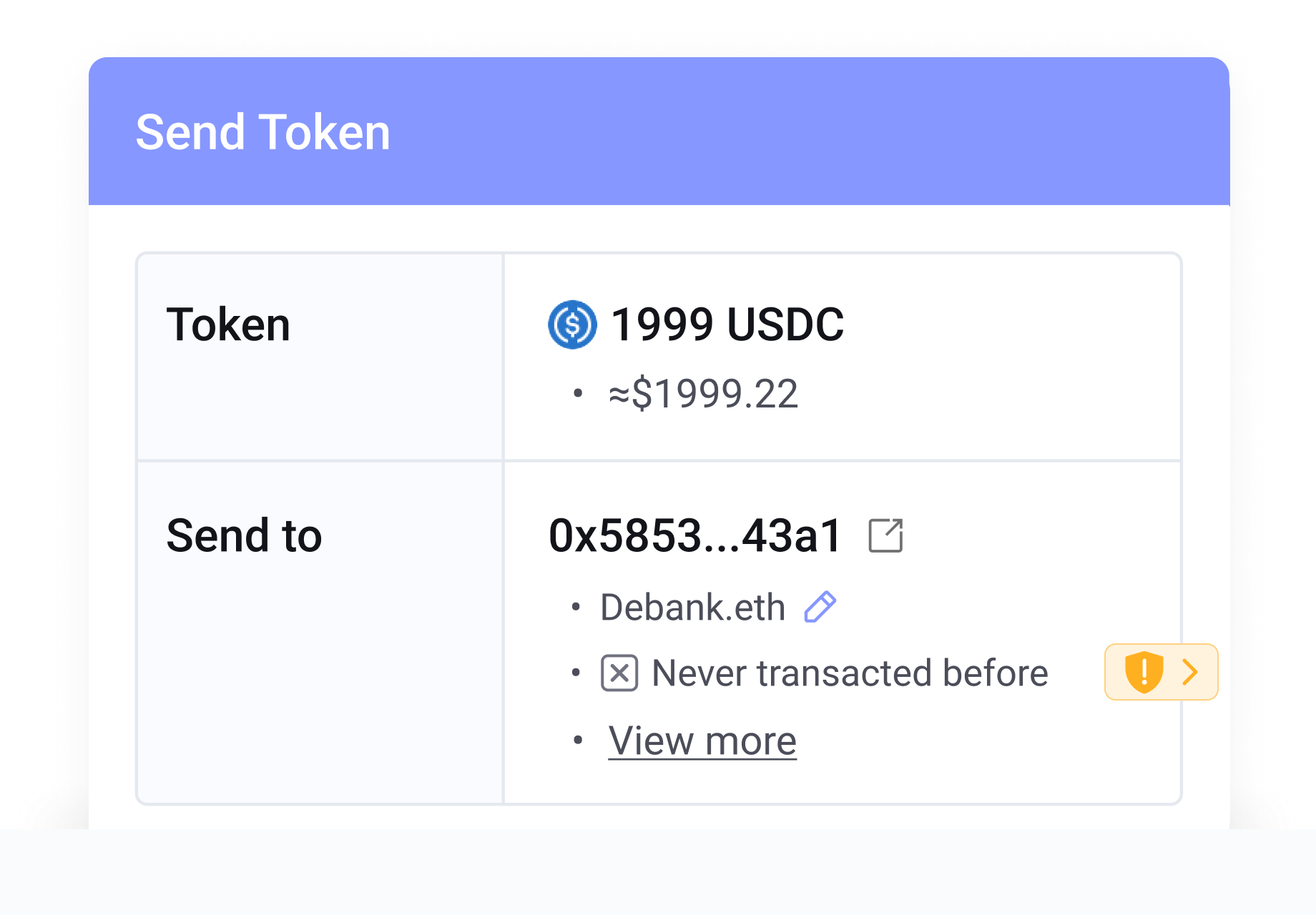
Wallets that bake simulation into the UX remove friction. They let you confirm not only the destination and amount, but the expected result. That’s powerful. When your wallet previews the end-state, you sign with more confidence. When it warns you about a revert, you don’t throw good gas after bad.
Take a multi-chain wallet that supports simulation across EVMs. You get consistent behavior whether you’re on Ethereum mainnet, Arbitrum, or BSC. That consistency matters because cross-chain tooling and bridges can introduce edge cases—timing windows, delayed finality, different gas mechanics—that a naive UI won’t surface.
That’s why I recommend checking tools that include step-by-step traces and error diagnostics. It makes experimenting less risky. It speeds up iteration. And for teams building strategies, it reduces the number of embarrassing “why did this fail” Slack threads.
How Rabby fits into this picture
If you want a practical, browser-centric option that takes simulation seriously, look at rabby. It’s built with power users in mind—multi-chain support, clearer gas controls, and simulation layers that show you what a transaction will do before you sign. I like that Rabby avoids clutter and gives you diagnostics in plain language. It’s not perfect, but it’s a solid workflow improvement over wallets that only show the raw “Approve/Confirm” dialogs.
Using a wallet with simulation means you can do things like preflight a sandwich-prone swap, test a contract method call with different parameter sets, or check a complex DeFi zap to see exactly which step fails when a tolerance is exceeded. In practice, you end up saving a lot of wallet balance that would’ve otherwise been squandered on failed transactions.
Practical scenarios where simulation saves you
Swaps with tight liquidity. Simulation reveals price impact and whether your slippage tolerance will protect you—or not.
Complex multi-step transactions. Simulation shows the failing step and returns a revert reason instead of leaving you guessing.
Allowance and approval flow checks. You can catch an overlooked allowance requirement before signing.
Bridge and router interactions. You can see where a cross-chain hop might break or where timing assumptions are wrong.
One example: I once tried batching a token swap and a deposit into a yield vault. The vault required a slight token-formatting step that the UI didn’t show. Simulation failed at step two with a revert message. I tweaked the order, re-ran the sim, and executed cleanly. That single simulation saved me nearly $20 in gas that would have been wasted across two failed attempts—small money, but meaningful when you’re iterating.
How to use simulation wisely
Don’t treat it like a magic guarantee. Simulation is based on current network state. If gas spikes or mempool conditions change between the simulation snapshot and broadcast, outcomes can differ. Still, simulation reduces uncertainty significantly.
Best practices:
- Simulate right before you sign, ideally from the same interface you’re using to submit.
- Check the revert traces. Read the error strings. They often tell you exactly what’s wrong.
- Adjust gas limits and price with care. Underestimating gas leads to reverts; overestimating can inflate cost if not bounded.
- Watch for oracle-dependent checks. If an oracle update is imminent, your simulated success could flip to a revert mid-flight.
- For high-value txs, consider private relays or MEV-protection services in addition to simulation.
FAQ
Does simulation guarantee my transaction won’t fail?
No. Simulation reduces risk by showing how a transaction would behave under current state. But it can’t predict future mempool dynamics or sudden oracle updates. Use it as a risk-control, not a warranty.
Will simulation cost me extra gas?
Most modern wallets or services run simulations off-chain or on a remote node and don’t broadcast the simulated call, so you won’t pay on-chain gas for the simulation itself. There are paid simulation services, but they charge for compute—separate from blockchain gas.
Which wallets offer useful simulation tools?
Look for wallets that display execution traces, gas breakdowns, and revert reasons. The wallet linked above, rabby, is one such option focused on multi-chain power users. Prioritize tools that make diagnostics readable instead of burying them in logs.